


Shou Sugi Ban façade is an increasingly popular trend in modern architecture, attracting attention for its unique appearance and numerous benefits. Charred facade boards combine aesthetics with functionality, offering exceptional design and durability. Thanks to the use of the traditional Japanese Shou Sugi Ban wood charring technique, the boards gain a unique character that fits perfectly into the requirements of contemporary building projects. In this article, we take a closer look at the advantages of this innovative solution.
The importance of the façade in buildings
The façade is one of the key elements of a building, performing both aesthetic and practical functions. A well-designed façade not only protects a building from weathering factors such as rain, snow, wind or UV radiation, but also affects its market value and aesthetic perception. It is the first protective layer that prevents moisture penetration, reduces heat loss and provides acoustic insulation. Contemporary architectural trends place great emphasis on the use of natural materials that combine beauty and durability. The right façade can completely transform the appearance of a building, giving it a modern, traditional or eclectic style. In addition, the choice of the right façade materials can contribute to the energy efficiency of a building, which has a direct impact on running costs and occupant comfort. Therefore, the façade is not only a showcase for the building, but also a key element influencing its functionality and sustainability.
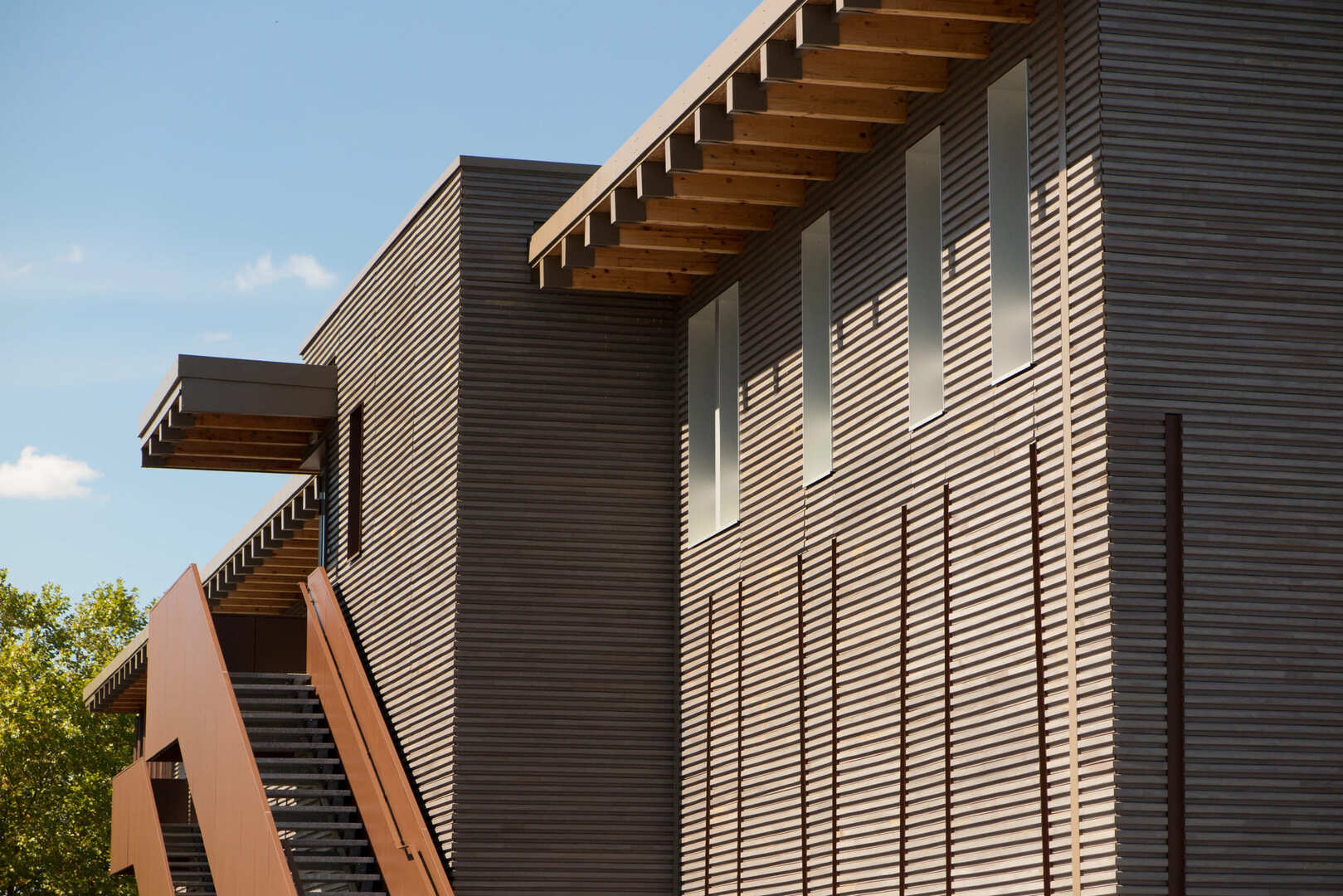
What are charred facade boards?
Charred façade boards are timber elements that have undergone a specialised carbonisation process, in which the surface of the wood is carefully and evenly charred under controlled conditions. The technique, known as Shou Sugi Ban or Yakisugi, originates from Japan and involves burning the top layer of wood to increase its durability and give it a unique appearance. The burning process closes the pores of the wood, making it water repellent. As a result, tanned façade boards stand out not only for their unique appearance, but also for their numerous benefits such as durability, weather resistance and natural pest protection. The process of charring the wood makes the material more durable and less susceptible to moisture, which significantly extends its life. Shou Sugi Ban is an eco-friendly solution that fits in with the sustainable building trend.
Charred facade board – advantages of traditional woodworking techniques
Charred wood facade – is it worth it? The advantages of charred wood cladding boards include not only their aesthetics and durability, but also their environmental benefits, making them an ideal choice for environmentally conscious investors who care about the environment and future generations. Traditional woodworking techniques offer many benefits that translate into the durability and aesthetics of the material. By using natural processes, traditional woodworking techniques are also eco-friendly, supporting sustainable construction and reducing the need for chemicals.
Aesthetic qualities
Fire-tempered façade boards stand out for their extraordinary aesthetics, combining modernity with tradition. Thanks to the Shou Sugi Ban technique, the wood acquires a distinctive dark colour and texture that gives buildings a unique appearance. The aesthetics of charred cladding boards are unique – a variety of finishes and the availability of different wood species allow the façade to be tailored to individual needs and architectural style. The advantages of dark façade boards are invaluable, especially in modern designs where they contrast with light-coloured architectural elements to create a sophisticated and elegant effect.
Sustainability
One of the greatest advantages of charred façade boards is their exceptional durability. During the charring process, the pores of the wood are sealed and natural sugars—normally a food source for fungi, mould, and pests—are eliminated. This not only strengthens the timber but also makes it highly resistant to biological threats.
Charred wood also offers enhanced fire resistance, making it a safe and reliable choice for façades. Its weather resistance is equally impressive: properly treated boards can remain in excellent condition for over 80 years, even in challenging climates.
It is precisely these qualities—longevity, resilience, and safety—that have made Shou Sugi Ban timber an increasingly popular solution among architects and builders worldwide.
Eco-friendliness
Charred cladding boards are an eco-friendly choice that align perfectly with today’s sustainable building trends. The timber comes from sustainably managed forests, ensuring minimal impact on the environment from the very start of the process.
Unlike many conventional treatments, the charring method requires no harmful chemicals. Instead, it relies on fire—a natural and clean technique that makes charred wood safe both for the environment and for building occupants.
By embracing this traditional yet innovative process, we not only reduce harmful emissions but also support the principles of sustainable architecture. The result is a material that combines durability and beauty with genuine ecological responsibility.
Examples of Shou Sugi Ban applications: building facades, terraces, fences, furniture
Shou Sugi Ban is a remarkably versatile woodworking technique, applied across a wide range of architectural elements.
Façades clad in charred boards are celebrated for their exceptional durability and bold aesthetics. A dark façade not only creates a striking visual effect but also offers enhanced resistance to weather conditions.
Charred decking combines beauty with practicality. Its resistance to moisture and pests significantly reduces maintenance, ensuring longevity even in demanding outdoor settings. Similarly, charred fencing delivers both durability and elegance, enhancing property value while providing privacy and protection.
The appeal of Shou Sugi Ban extends indoors as well. Charred wood interiors add warmth, texture, and character to modern spaces, while charred furniture offers a unique blend of style and resilience—perfect for both indoor and outdoor use.
Together, these applications showcase why charred wood has become a material of choice: a harmonious mix of aesthetic impact, practicality, and minimal maintenance, with beauty and performance that last for decades.
Types of wood used in Atelier TwentyOne
Atelier TwentyOne offers a wide range of wood species that are excellent choices for use in the Shou Sugi Ban technique. Accoya is a modified wood known for its extreme durability and weather resistance. Douglas fir is characterised by its high strength and aesthetics, ideally suited for facades and terraces. Scandinavian spruce is a species prized for its light colour and smooth texture, perfect for interior and exterior applications. Siberian larch is renowned for its natural resistance to moisture and pests, making it ideal for harsh environments. Thermo pine is a thermally modified wood, offering exceptional stability and resistance to changing weather conditions. The choice of these wood species ensures durability, aesthetics and environmental value, key to modern architecture.
Summary
Charred façade boards are a distinctive building material that bring with them a host of advantages. Thanks to the traditional Shou Sugi Ban technique, the wood acquires a unique appearance that seamlessly blends tradition with modern design.
The charring process makes the boards exceptionally durable—naturally resistant to moisture, fungi, mould, and pests. Added benefits include the striking aesthetics of a dark façade, enhanced fire resistance, and eco-friendly credentials that make fire-tempered wood a safe and sustainable choice.
By choosing charred cladding boards, you gain a solution that combines style with longevity, ensuring your building remains both beautiful and resilient for decades.
We also invite you to explore more of our articles here on the website, where we share insights, inspiration, and practical guidance on making the most of Shou Sugi Ban wood in your projects.
- What to paint Shou Sugi Ban’s tan wood with?
- Burning wood instead of waterproofing – Is it worth it?
- History and advantages of Shou Sugi Ban
- What type of wood for Shou Sugi Ban?